
Acne can be frustrating at any age—teenage years, adulthood, or even later in life. The truth is, clear skin doesn’t come from using many products; it comes from using the right habits consistently. Below are the basic, dermatologist-approved rules of skincare and acne treatment that anyone can follow, regardless of skin type or budget.
1. Keep It Simple (More Products ≠ Better Skin)
One of the biggest mistakes people make with acne is overdoing skincare—too many cleansers, scrubs, acids, and “miracle” creams. This damages the skin barrier and makes acne worse.
Stick to the basics:
-
Gentle cleanser
-
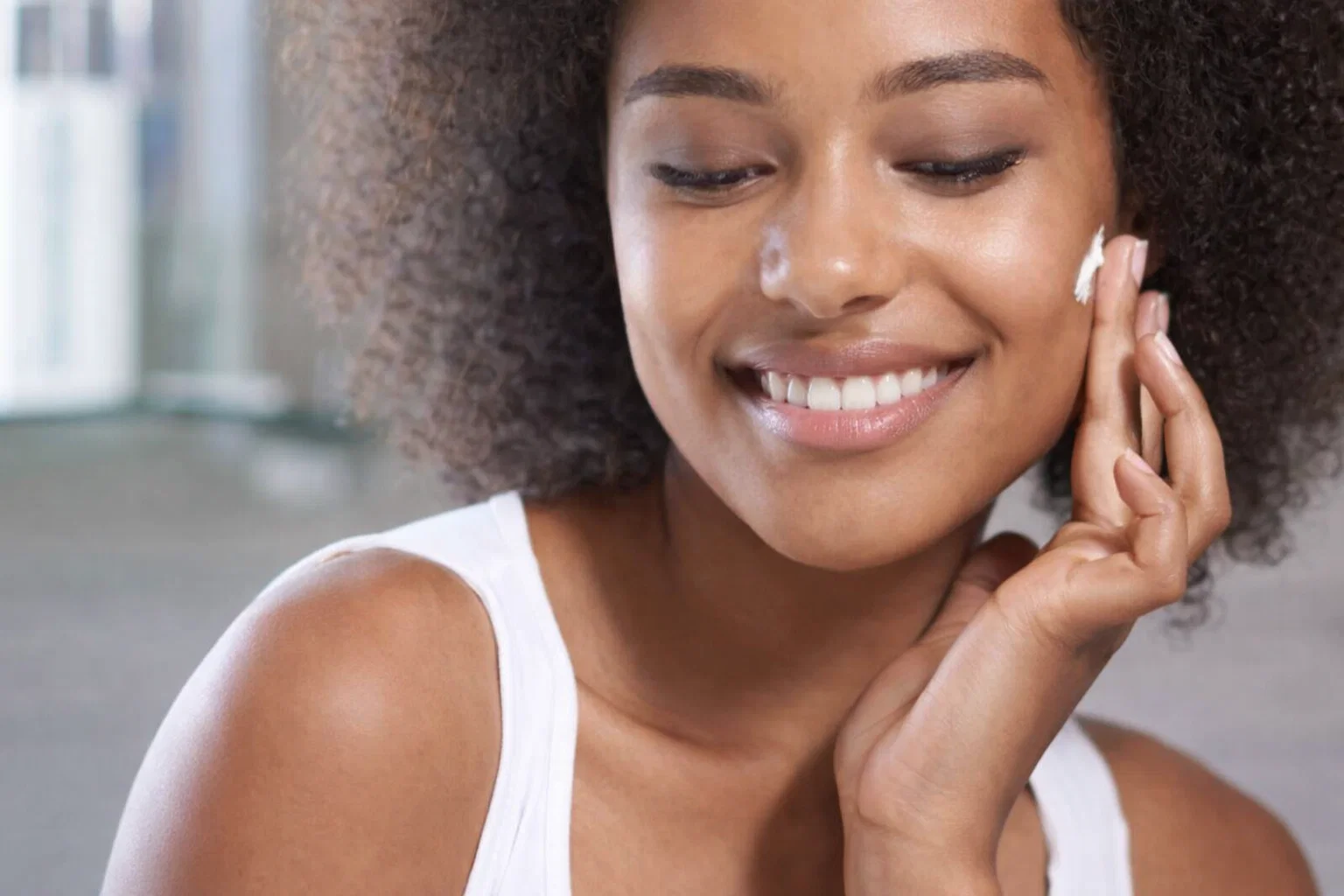
Lightweight moisturizer
-
Sunscreen (daytime)
If your skin feels tight, stings, or burns—your routine is too harsh.
2. Cleanse Gently, Not Aggressively
Washing your face too often or scrubbing hard does not “dry out acne”—it triggers more oil production and irritation.
Best practice:
-
Cleanse twice a day (morning & night)
-
Use lukewarm water, not hot
-
Massage gently with fingertips (no harsh scrubs)
Clean skin heals faster; irritated skin breaks out more.
3. Moisturize Even If You Have Oily Skin
Skipping moisturizer is a common acne mistake. When skin is dry, it produces more oil, which leads to clogged pores.
Choose:
-
Oil-free or non-comedogenic moisturizers
-
Lightweight gel or lotion textures
Healthy, hydrated skin is better at fighting acne.
4. Sunscreen Is Non-Negotiable
Sun exposure worsens acne marks, dark spots, and inflammation—even if acne looks “drying out” in the sun.
Why sunscreen matters:
-
Prevents dark acne marks (PIH)
-
Protects healing skin
-
Prevents premature aging
-
Makes acne treatments safer and more effective
Use sunscreen daily, even on cloudy days.
5. Don’t Pick, Pop, or Touch
Touching pimples spreads bacteria and increases the risk of:
-
dark marks
-
scarring
-
longer healing time
Rule: If it’s painful, inflamed, or deep—leave it alone.
Let professionals handle extractions safely.
6. Be Patient—Acne Takes Time to Improve
Most acne treatments take 4–8 weeks to show results. Changing products every week only confuses your skin.
Good signs you’re on the right track:
-
fewer new breakouts
-
reduced redness
-
smoother texture over time
Consistency beats speed.
7. Watch Lifestyle Triggers (They Matter)
Skincare alone won’t fix acne if daily habits are working against you.
Common triggers include:
-
lack of sleep
-
stress
-
poor hydration
-
touching your face often
-
dirty pillowcases and phone screens
Simple fixes:
-
Sleep 7–8 hours
-
Change pillowcases weekly
-
Clean your phone screen
-
Drink enough water
8. Acne Is Not Just a “Teen Problem”
Adult acne is real—and often linked to:
-
hormones
-
stress
-
skincare misuse
-
lifestyle changes
Treat adult acne gently. Harsh products can worsen breakouts and accelerate aging.
9. Professional Help Makes a Big Difference
If acne:
-
keeps returning
-
leaves dark marks
-
feels painful or cystic
-
affects your confidence
…it’s time for professional guidance. Treatments like acne facials, chemical peels, microneedling, or laser therapy can safely treat acne and prevent scarring.
10. Healthy Skin Comes Before Perfect Skin
The goal isn’t flawless skin—it’s healthy, calm, balanced skin. When skin health improves, acne naturally reduces.
TREATMENTS
- TREATMENTS
Laser Hair Reduction – Beard (Men)
 Laser & Energy-Based Treatments, TREATMENTS
Laser Hair Reduction – Beard (Men) | Precision Grooming, Fewer Ingrowns & Smoother Skin Laser...
Laser Hair Reduction
Laser & Energy-Based Treatments, TREATMENTS
Laser Hair Reduction – Smooth, Long-Lasting Hair Removal Laser Hair Reduction at Reigns Clinic off...
Facials
Face Treatment, TREATMENTS
Facials – Professional Skin Care & Glow Enhancement At Reigns Clinic, our professional facials...
Stem Cell Therapy
IV Therapy, TREATMENTS
IV Therapy – Stem Cell Therapy | Advanced Regeneration, Healing & Wellness Support IV Stem Cel...
Hangover Drip
IV Therapy, TREATMENTS
IV Therapy – Hangover Drip | Rapid Rehydration, Recovery & Relief IV Therapy – Hangover Drip...
Immunity Drip
IV Therapy, TREATMENTS
IV Therapy – Immunity Drip | Immune Support, Recovery & Wellness Boost IV Therapy – Immunity...
NAD⁺
IV Therapy, TREATMENTS
IV Therapy – NAD⁺ | Cellular Energy, Anti-Aging & Cognitive Support IV Therapy – NAD⁺ at...
Hollywood Glow
IV Therapy, TREATMENTS
IV Therapy – Hollywood Glow | Hydration, Radiance & Skin Vitality The IV Therapy – Glow Drip...
Colombian Vacuum Therapy
TREATMENTS, Wellness & Body
Colombian Vacuum Therapy – Body Contouring, Lifting & Circulation Boost Colombian Vacuum Thera...
O-Shot®
Chemical Peels, TREATMENTS
O-Shot® – Regenerative Intimate Wellness & Rejuvenation The O-Shot® at Reigns Clinic is a re...
Lhala Secret
Chemical Peels, TREATMENTS
Lhala Secret® Peel – Gentle Skin Renewal, Brightening & Texture Refinement Lhala Secret® Pee...
Lhala Doctor
Chemical Peels, TREATMENTS
Lhala Doctor® Peel – Medical-Grade Chemical Peel for Targeted Skin Correction Lhala Doctor® Peel...